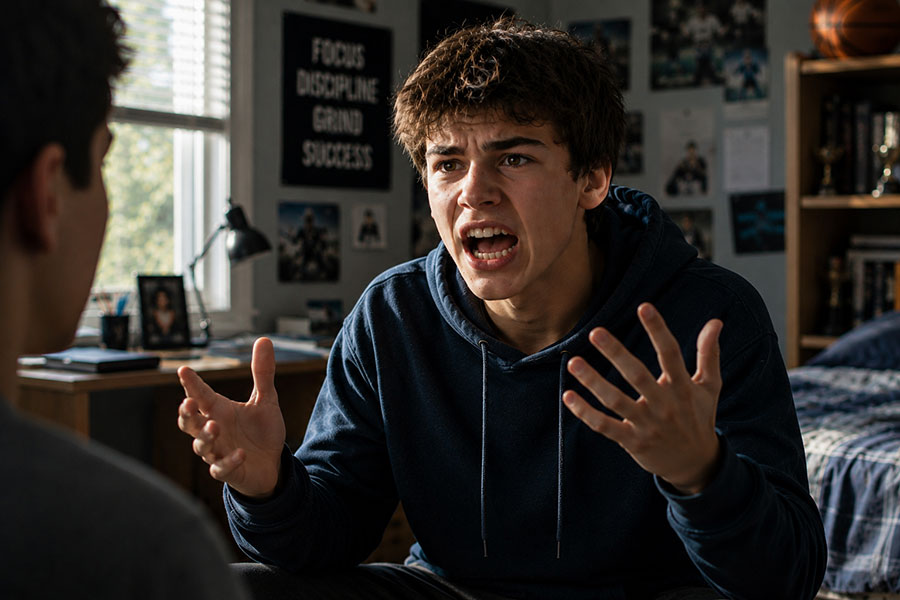
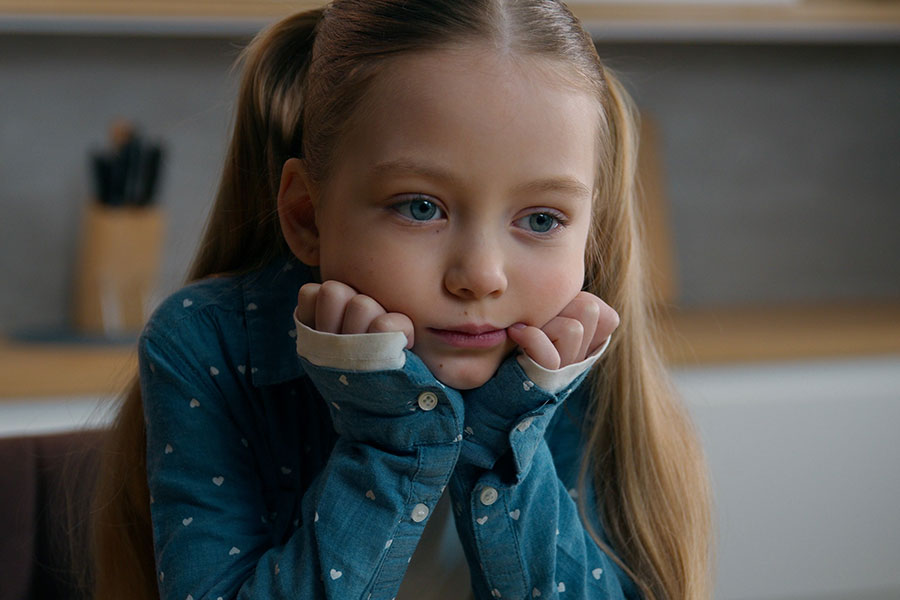
“Be careful”, “What if something bad happens”, “You don’t want to do that, you may injure yourself”, “Don’t worry, everything will be fine”, “I don’t want you to feel anxious”, “You’re overreacting”, and “Practice makes perfect.” The list could go on and on. Simple phrases that I’m sure we have all heard growing up can induce anxiety in children. How many of you walked around with invisible bubble wrap around yourself because everything had the potential for death or the worst-case outcome?
Oh my goodness, the pressure of parenting these days is real. It can feel like we are supposed to undo every statement and parenting method from our own childhood and then somehow get it all right. That is a joke... sort of 😉. Still, many people grew up hearing these kinds of phrases regularly. Maybe you absorbed them, maybe you didn’t. Regardless, we know more now and can break anxiety that has been passed down across generations.
Research shows that genetics play a significant role in the development of an anxiety disorder. Children who have parents with an anxiety disorder are 2 to 7 times more likely to develop one themselves. Keep in mind that this increased risk is only about 30% due to genetic inheritance, with the remaining risk influenced by environmental factors, including learned behaviors, parenting styles, and the amount of stress in the home. So, this leaves plenty of room for parents to reduce the likelihood of passing anxiety on to their children. Great news: it is not inevitable!
Before getting into some steps that may help prevent passing your anxiety on to your children, I want to acknowledge how challenging this can be if you are an anxious person yourself. How is anyone supposed to know how to avoid passing anxiety on to their children when they may not yet know how to manage their own? It is not an easy task. Seeking professional help for yourself can be a great place to start if you are worried about passing on your anxiety but do not know how to respond to or manage your own. There is no shame in taking this as a first step, because it takes a great deal to acknowledge the desire for change. Self-awareness supports change, so I strongly encourage seeking professional help if needed.
I also want to point out that some parents who struggle with their own anxiety may actually find it easier to help their children because they are coming from a place of experience, or from the perspective of “If I could do it all over.” No matter where you begin in this process, getting started is often the hardest part, so please have compassion for yourself.
So, here are some steps that can be helpful to prevent passing anxiety onto your children:
Manage your own anxiety: As mentioned above, seek help and learn how to manage stress in your life. This is very important!
Model healthy behaviors: Be aware of your facial expressions, emotional intensity, and words. Your kids are watching and learning from what you model.
Parents need to work on emotionally regulating themselves when triggered. Please read my blog “Tips for the Emotionally Dysregulated Parent” to help with this step. Again, this is not easy and takes practice.
- Try using phrases to promote leaning into anxiety rather than avoidance. For example, “it’s okay to feel anxious, but that doesn’t mean you can’t do it.” Or replace “be careful” with “You got this”. These little changes can go a long way!
- Try to show facial expressions that model courage and bravery rather than fear and defeat.
Avoid overprotection: It’s not uncommon for parents to try and shield their children from feeling stress and anxiety. This is unrealistic and does not help children in the long run. Everyone will feel stress and anxiety in their lives, and we need to move away from teaching avoidance and work on leaning into it. As scary as this can be for parents, the goal is to embrace stress and anxiety while doing the things that are valued in life. This makes all the difference. When you stop saying “be careful” all the time, you provide the space for them to be present and make their own judgments without YOUR fear attached to it. Again, I know how hard this can be!
Encourage Independence: Allow children to engage in age-appropriate tasks rather than doing things for them. This helps them build independence and provides them with opportunities to use their problem-solving skills themselves when difficulties come up—and they will!
Embrace fear and anxiety: Teach kids to take their fear and anxiety with them through life. It’s okay to fear and feel anxious about things, lean into these feelings and do what you value anyway. THIS ONE IS CRUCIAL!!! Teach “You can do hard things” rather than avoidance.
If you’re anxious to pass anxiety onto your kids, this thinking is already a protective factor. It shows a level of awareness needed to promote change. As mentioned above, use the help and support needed to take the steps towards modeling healthy thoughts and behaviors. Remember that the “perfect parent” just doesn’t exist, and there will be times when you feel as if you’re failing miserably and maybe more frequently than you want to. It’s okay to do your best and get back on track when you fall off, you’re human!
And if your kids are already anxious, ALC has got your back! We teach individuals how to exist with anxiety and still live a values-based life. We will tell you that you may or may not be anxious when doing something outside your comfort zone, there is always a chance that something could happen, and it might be bad, and that practice makes better. And despite all these things, if it promotes self-growth and there is value to it -- DO IT ANYWAY!